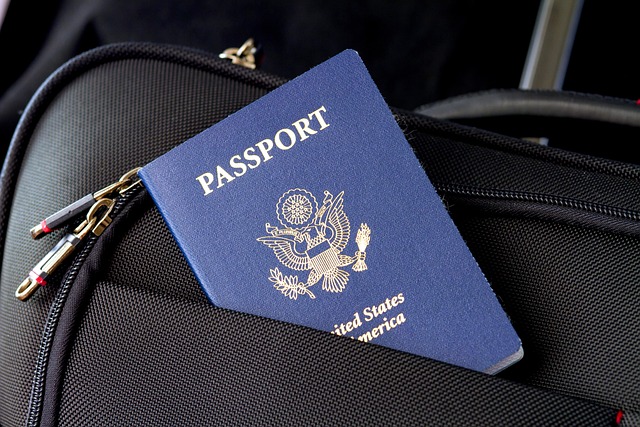
The United States remains one of the top destinations for Africans seeking better job opportunities, education, and quality of life. With its diverse economy, large immigrant population, and increasing demand for skilled workers, 2026 presents excellent prospects for Africans looking to work and settle in the U.S.
This article explores the best job opportunities for Africans in the USA, available visa options, and what you can expect in terms of flight costs and living expenses as you plan your move.
1. Why Africans Are Choosing the USA in 2026
America’s job market is thriving post-pandemic, with industries like healthcare, tech, logistics, and construction expanding faster than the local workforce can support. The country’s immigration reforms and programs like the Diversity Visa Lottery and H-1B work visa have made it easier for qualified Africans to find pathways into the system.
According to the U.S. Bureau of Labor Statistics, job openings in healthcare and technology are expected to grow by more than 15% between 2025 and 2030, creating millions of new roles — many of which welcome international talent.
2. Job Opportunities for Africans in the USA
Let’s look at some of the top industries hiring foreign workers in 2026 and the average salaries you can expect.
a. Healthcare and Nursing
The U.S. has an ongoing shortage of healthcare professionals — nurses, caregivers, and home health aides are in high demand.
Roles available:
- Registered Nurses (RNs)
- Personal Care Assistants
- Nursing Aides and Home Health Workers
- Medical Technicians and Lab Assistants
Average salary: $45,000 – $90,000 per year
Visa options: H-1B (skilled workers), EB-3 (employment-based green card), or TN Visa (for select countries).
Tip: Many U.S. hospitals sponsor international nurses and assist with visa processing and relocation costs.
b. Information Technology (IT) and Tech
From software developers to cybersecurity experts, U.S. tech companies are hiring globally. Africans with digital skills can secure well-paying jobs, especially through remote work-to-relocation programs.
In-demand roles:
- Software Developers
- Cloud Engineers
- Cybersecurity Analysts
- Data Scientists
- Network Administrators
Average salary: $70,000 – $120,000 per year
Visa options: H-1B visa, O-1 (for highly skilled individuals), or Optional Practical Training (OPT) for students.
c. Logistics and Transportation
The U.S. logistics and trucking industry is booming. Many companies sponsor Commercial Driver’s License (CDL) training for foreign workers ready to work in delivery, warehousing, or trucking.
Common positions:
- Truck Drivers
- Forklift Operators
- Warehouse Supervisors
- Supply Chain Assistants
Average salary: $45,000 – $75,000 per year
Visa options: EB-3 (unskilled or skilled worker visa)
d. Agriculture and Food Production
Seasonal and long-term agricultural jobs are available for Africans under temporary work programs.
Jobs include:
- Farm Workers
- Packers and Processors
- Equipment Operators
- Livestock and Poultry Handlers
Average salary: $30,000 – $50,000 per year
Visa options: H-2A (temporary agricultural workers) and H-2B (non-agricultural seasonal jobs)
These jobs are particularly accessible for applicants from Kenya, Ghana, Nigeria, and Ethiopia.
e. Construction and Skilled Trades
With ongoing infrastructure projects, the construction sector needs electricians, plumbers, welders, and general laborers.
Average salary: $40,000 – $80,000 per year
Visa options: EB-3, H-2B visas, or employment-based green card sponsorships.
f. Hospitality and Cleaning Services
Hotels, restaurants, and cleaning companies regularly hire international workers to fill service roles.
Popular jobs:
- Housekeepers and Cleaners
- Chefs and Kitchen Assistants
- Hotel Attendants
- Security Personnel
Average salary: $25,000 – $45,000 per year
Visa options: J-1 (exchange visitor), H-2B (temporary non-agricultural), or EB-3.
3. Visa Opportunities for African Workers
Several visa pathways make it possible for Africans to work in the USA legally. Here are the most common ones for 2026:
a. H-1B Visa (Skilled Workers)
For professionals in fields like engineering, IT, medicine, and education. It allows you to live and work in the U.S. for up to 6 years.
b. H-2A and H-2B Visas (Seasonal Work)
For temporary agricultural or non-agricultural work. Ideal for Africans with limited formal qualifications but strong work experience.
c. EB-3 Visa (Permanent Work Visa)
Offers a pathway to a Green Card for skilled, unskilled, and professional workers. Many employers in construction, manufacturing, and healthcare sponsor this visa.
d. Diversity Visa Lottery
The U.S. Diversity Visa (DV) Lottery grants 50,000 permanent residency visas each year to citizens from eligible African countries. Winners can bring their spouse and children.
e. J-1 Visa (Interns and Exchange Visitors)
For short-term internships, training, and cultural exchange programs. Often used by students or fresh graduates seeking experience in the U.S.
4. Estimated Flight Costs from Africa to the USA (2026)
Flight costs depend on your departure city, destination, and time of booking. Here are the estimated one-way flight prices (as of 2026 projections):
| Departure City | Destination (USA) | Average Cost (USD) |
|---|---|---|
| Lagos → New York | $950 – $1,200 | |
| Nairobi → Washington D.C. | $1,000 – $1,350 | |
| Accra → Houston | $950 – $1,250 | |
| Johannesburg → Los Angeles | $1,100 – $1,400 | |
| Addis Ababa → Chicago | $950 – $1,200 |
Tip: Booking flights at least 2–3 months ahead or during airline promos can reduce your cost by 20–30%.
Airlines like Ethiopian Airlines, Qatar Airways, Delta, and Emirates offer student and migrant discounts on select routes.
5. Cost of Living and Expected Earnings
The cost of living in the U.S. varies by state. Generally, smaller cities in the Midwest or South (like Texas, Ohio, or Georgia) are cheaper compared to New York or California.
Average monthly expenses:
- Rent: $700 – $1,500
- Food: $250 – $500
- Transportation: $100 – $200
- Miscellaneous: $200 – $400
If you earn around $3,000 – $5,000 per month, you can live comfortably and even save depending on your location and lifestyle.
6. How to Apply for U.S. Jobs from Africa
- Prepare a U.S.-style CV – Focus on skills, experience, and measurable results.
- Use international job portals – Sites like LinkedIn, Indeed.com, and Glassdoor list U.S. companies hiring foreign talent.
- Apply for visa sponsorship jobs – Search for “H-1B visa sponsorship” or “EB-3 sponsorship” roles.
- Attend virtual job fairs – U.S. employers often recruit overseas workers through online fairs or embassy programs.
- Network – Connect with Africans already working in your field through LinkedIn or professional groups.
7. Tips for a Smooth Transition
- Save at least $2,000–$3,000 for initial relocation and accommodation.
- Have all documents ready: passport, educational certificates, vaccination records, and experience letters.
- Be patient: Visa processes can take 3–9 months depending on the category.
- Stay informed: Follow updates from the U.S. Embassy in your country or visit travel.state.gov.
8. Final Thoughts
For many Africans, working in the United States represents more than a career move — it’s a life-changing opportunity. With thousands of visa sponsorship jobs, affordable flight routes, and expanding industries, 2026 could be your year to take that leap.
Whether you’re a nurse, IT professional, engineer, or tradesperson, the U.S. job market welcomes skilled Africans ready to contribute and grow. Start early, apply strategically, and make sure all your documents are in order.
Your American dream might just be one application away.