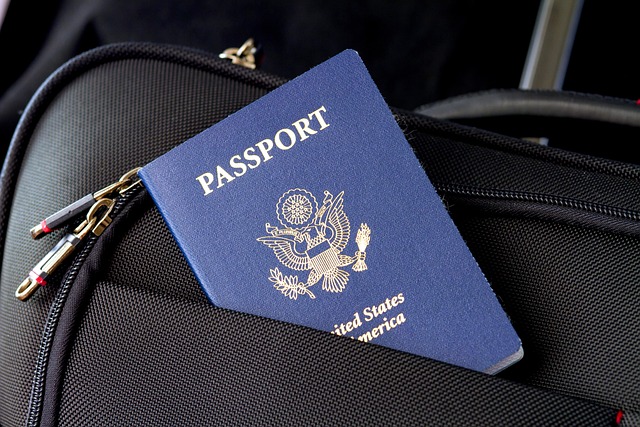
Love has a funny way of ignoring borders. One minute you’re in a long-distance relationship, next thing you know you’re googling German residence permits at 2 a.m. wondering how people actually make this work.
If you’ve seen videos online saying “Apply Now: Work & Study Visa Through Marriage in Germany”, you’re probably feeling hopeful… and slightly overwhelmed too.
The truth is, Germany does offer a very real and legal pathway for spouses to live, work, and study through marriage. But like most things involving German bureaucracy, it’s structured, rule-based, and sometimes slower than the videos make it look. Still, when done properly, it’s one of the most stable routes to long-term residence in Europe.
This article breaks it down in normal language. We’ll talk about how it really works, costs involved, legal angles you can’t ignore, timelines, and real companies and professionals people use to help prepare their applications and avoid unnecessary delays.
What “Work & Study Visa Through Marriage” Means in Germany
Germany does not issue a visa officially called “Work & Study Visa Through Marriage.” What people usually mean is a family reunification residence permit issued to the spouse of:
- A German citizen, or
- A legal resident of Germany (EU Blue Card holder, permanent resident, etc.)
With this residence permit, you are legally allowed to:
- Live in Germany
- Work without restriction
- Study at universities or vocational schools
- Later apply for permanent residence and even citizenship
So the phrase is simplified for videos, but the benefit itself is very real.
Who Is Eligible?
Germany is strict, but clear.
Married Spouses
Your marriage must be:
- Legally valid
- Recognized under German law
- Genuine (not just for immigration)
Same-sex marriages are fully recognized in Germany.
Language Requirement (Important)
In most cases, the foreign spouse must show basic German language skills (A1 level) before applying.
There are exceptions, but many people get stuck here if they don’t plan ahead.
Financial & Housing Requirements
The sponsoring spouse must usually show:
- Adequate income
- Suitable accommodation
Germany wants to ensure the couple can support themselves without relying on public funds.
Main Legal Pathways Explained Simply
Applying From Outside Germany
This is the most common route.
- Apply for a family reunification visa at the German embassy
- Submit marriage documents, language certificate, proof of housing
- Attend an interview
- Enter Germany
- Convert visa into a residence permit
Once approved, you can work and study immediately.
Applying From Inside Germany
This is possible in limited situations.
- If you already hold a valid residence permit
- If your status allows switching
Not all visas allow this, so professional advice matters here.
Can You Work After Marriage in Germany?
Yes, and this is one of Germany’s biggest advantages.
Once you receive your spouse residence permit:
- You can work full-time
- You can work part-time
- You can change employers freely
- No separate work permit required
But until that permit is issued, you cannot work. Working early can seriously damage your application.
Can You Study?
Yes.
With a family reunification residence permit, you can:
- Attend German universities
- Enroll in language schools
- Join vocational or professional programs
You don’t need a separate student visa. Some public universities charge very low or no tuition, which surprises many people.
Cost Implications: What It Really Costs
Germany is cheaper than many expect, but there are still costs.
Government Fees
- Visa application: €75
- Residence permit issuance: €100 – €110
Language Test
- A1 German exam: €120 – €200
Health Insurance
Mandatory in Germany.
- €110 – €250 per month depending on plan
Legal or Agent Fees
- Immigration consultant support: €1,200 – €3,000
- Immigration lawyer: €3,000 – €6,000
- Complex cases: €7,000+
Other Costs
- Document translations
- Marriage certificate legalization/apostille
- Travel costs
- Registration fees in Germany
Most couples spend between €3,000 and €9,000 total.
Legal Angles You Must Take Seriously
Marriage Authenticity
German authorities check:
- How you met
- Communication history
- Wedding details
- Living arrangements
- Long-term plans
Sham marriages are a criminal offense in Germany and can lead to bans and fines.
Language Requirement Pitfalls
Many applications fail because:
- The A1 certificate is missing
- Certificate is from an unrecognized institute
- Applicant assumes it’s optional
This single detail delays thousands of cases yearly.
Residence Permit Renewal
Your permit is often issued for:
- 1 to 3 years initially
You must renew it on time. Missed deadlines can cause legal status issues.
Companies & Professionals People Use in Germany
There is no legal fast-track, but experienced professionals reduce mistakes and embassy delays.
Immigration & Relocation Firms
Fragomen Germany
A global immigration firm with a strong German presence. Often used for complex family and corporate-linked cases.
Schlun & Elseven Rechtsanwälte
Well-known German immigration law firm assisting with family reunification and residence permits.
Migrationsberatung für Erwachsene (MBE)
Government-supported advisory services offering free or low-cost guidance, especially helpful for new arrivals.
Red Tape Translation & Immigration Services
Helps with document preparation, translations, and residence permit guidance.
A Y & J Solicitors (Germany Desk)
International firm with EU immigration expertise, often used by non-EU spouses.
What to Avoid
- Unregistered “visa agents”
- Anyone promising to bypass language requirements
- Fake marriage documentation services
- Cash-only consultants with no German address
Germany’s system is strict and very document-driven.
Role of Videos & Online Guides
Videos are helpful for:
- Visual explanations
- Embassy interview experiences
- Understanding timelines
But they often:
- Skip the language requirement
- Underestimate paperwork
- Ignore local registration rules
Use videos for awareness, not instructions.
Processing Time
Typical timelines:
- Embassy visa processing: 3–6 months
- Residence permit issuance in Germany: 4–8 weeks
Delays happen due to:
- Missing documents
- Language certificate issues
- Local immigration office workload
Common Mistakes People Make
- Assuming marriage removes language requirements
- Applying without proper translations
- Renting accommodation that doesn’t meet standards
- Working before permit approval
- Using unlicensed agents
Small mistakes in Germany often cause long delays.
Final Thoughts
Germany offers one of the strongest and most stable work-and-study-through-marriage pathways in Europe. Once approved, you gain real freedom: the right to work, the ability to study, and a clear route toward permanent residence and citizenship.
But it’s not instant, and it’s not flexible in the way some other countries are. Germany values structure, preparation, and compliance. If you respect the system and prepare properly, it works very well.
So when you see those “Apply Now” videos, take them as motivation, not a checklist. Learn the rules, budget properly, take the language requirement seriously, and get professional help if your case isn’t straightforward.
Love opens the door. In Germany, preparation keeps it open.